

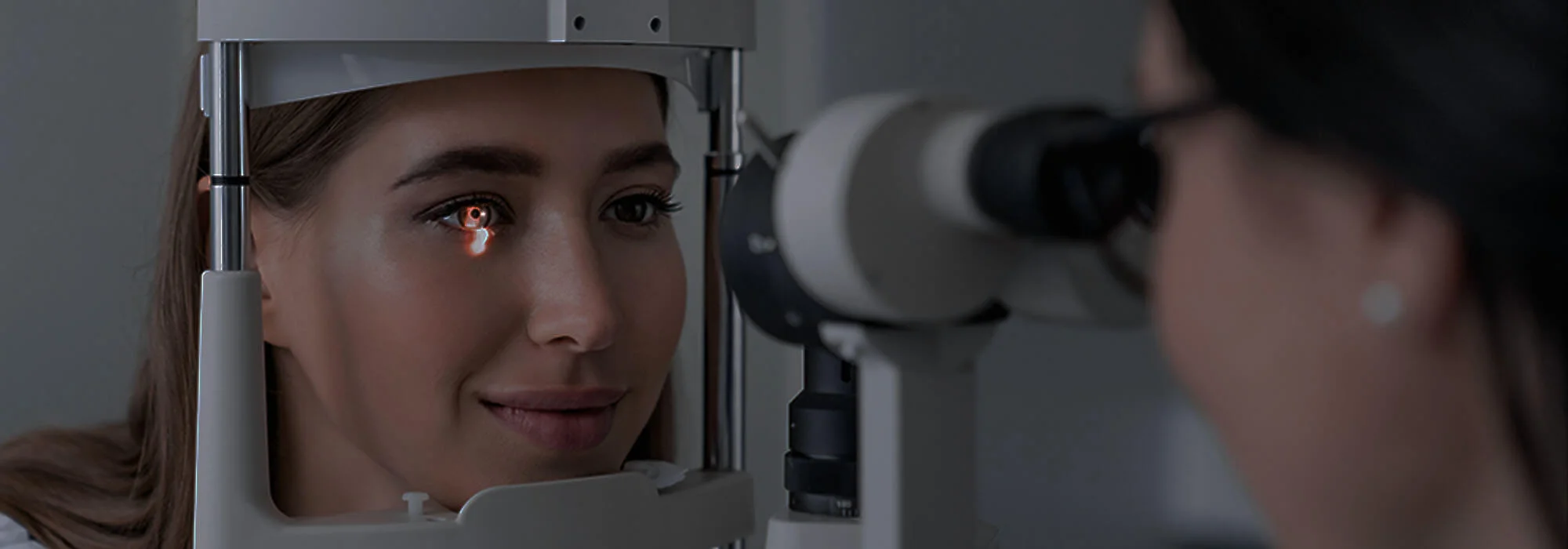
Why Does Reading Get Harder With Age?
If you’ve noticed that reading small print feels more difficult than it used to—especially in dim light or when you’re tired—you’re not alone. Most adults begin experiencing this change between the ages of 40 and 50, and it’s caused by a completely natural process known as presbyopia.
Why Does Presbyopia Happen?
Inside your eye is a clear, flexible lens that changes shape to help you shift focus between far and near objects. When you’re young, this lens is soft and flexible—like a fresh rubber band. But as you age, the lens becomes stiffer and the muscles that control it become less responsive.
This reduces your ability to focus on near objects, which is why reading becomes harder. You might notice:
- Holding books or phones farther away
- Needing brighter lighting to read comfortably
- Experiencing eye strain or headaches when reading
- Difficulty switching between near and far focus
When Does It Start?
Most people begin noticing signs of presbyopia around age 40–45. It gradually progresses until around age 60, when near vision typically stabilizes.
Is It Preventable?
Not exactly—presbyopia is a natural part of aging. But the good news is that it’s easy to manage with the right vision correction. Many people live comfortably and read easily with:
- Reading glasses
- Progressive lenses (no visible line, distance + intermediate + near)
- Bifocals
- Multifocal contact lenses
- Computer/office lenses designed for modern work needs
Other Reasons Reading Might Get Harder
Sometimes the issue isn’t just presbyopia. Reading difficulty can also be linked to:
- Dry eye syndrome
- Uncorrected astigmatism
- Eye strain from digital devices
- Binocular vision issues (how well the eyes work together)
- Early cataracts
That’s why a complete eye exam is essential—it reveals the real cause behind your symptoms.
How OptoDoc Can Help
At OptoDoc, we specialize in helping patients navigate presbyopia and other age-related vision changes. Our eye exams go beyond reading charts—we assess your focusing system, eye coordination, lens health, and overall visual comfort.
Whether you need stylish reading glasses, progressive lenses, or multifocal contacts, we’ll help you find the perfect solution so reading feels easy again.
If reading is becoming frustrating, don’t wait—clarity is just an appointment away.
About Cataracts
Cataracts happen to almost everyone as they age, and are most often found in those over 60. If a ch
How the Eye Works: A Fascinating Journey of Vision
The human eye is a remarkable organ that allows us to perceive the world in vivid detail. From the m
Why Do Your Eyes Water When You Yawn?
Ever wonder why your eyes water when you yawn? Learn the science behind this common reaction and wha



Leave a Reply