When was your last eye exam?
If you can’t remember, you’re not alone.
Many people think they only need an eye exam when their glasses stop working or their vision becomes blurry. But an eye exam isn’t only about checking whether you can read the letters on an eye chart.
Your eyes can change gradually, and some eye-health problems don’t cause noticeable symptoms in their early stages.
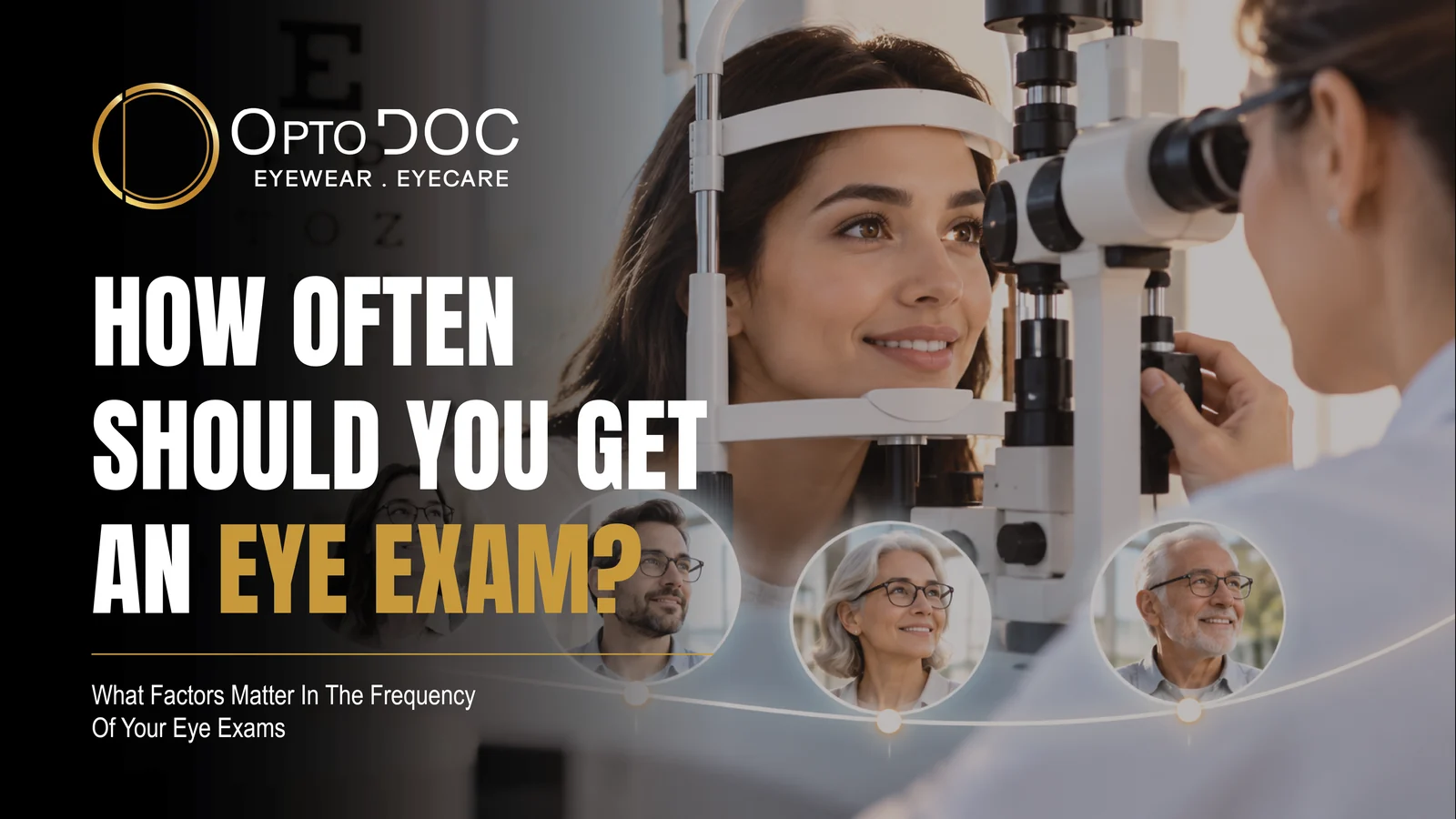
So how often should you actually have your eyes checked?
The answer depends on your age, eye health, medical history, prescription, lifestyle and other risk factors.
How Often Do Adults Need an Eye Exam?
There isn’t one schedule that applies perfectly to everyone.
The Canadian Association of Optometrists recommends a comprehensive eye exam at least every two years for low-risk adults aged 20 to 64, and at least annually from age 65. Your optometrist may recommend more frequent visits based on your health and risk factors.
Your optometrist can recommend the schedule that’s appropriate for you.
If you already have an eye condition, wear contact lenses, have certain health conditions, have a family history of eye disease or have a significant prescription, you may need to be seen more frequently.
You Don’t Have to Wait Until Your Vision Gets Worse
One of the biggest misconceptions about eye exams is that you need one only when you can’t see clearly.
But some eye and vision problems don’t produce obvious symptoms at first.
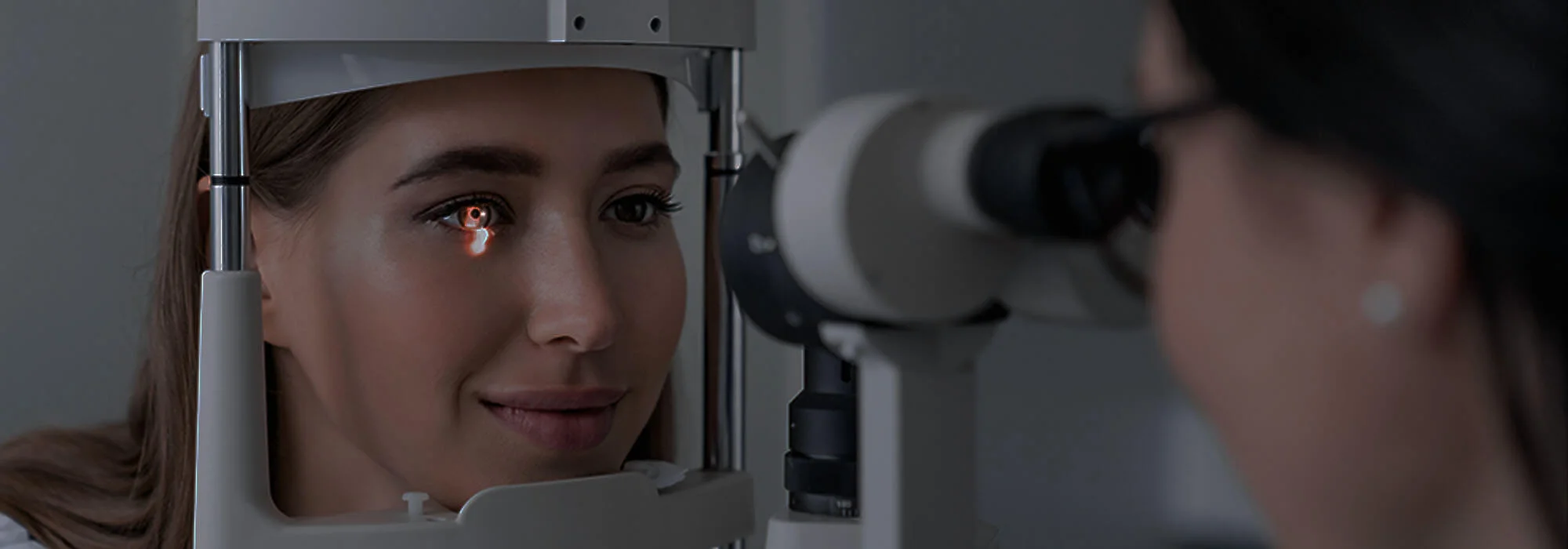
A comprehensive eye examination allows your optometrist to evaluate both your vision and the health of your eyes.
That’s different from simply checking whether you can read an eye chart.
What Happens During an Eye Exam?
A comprehensive eye examination can include several different assessments.
Your optometrist may evaluate:
- Visual acuity
- Your glasses or contact lens prescription
- How your eyes focus
- How your eyes work together
- Peripheral vision
- Eye movements
- The health of the front and back of the eye
- Other factors based on your age, history and symptoms
Additional testing may be recommended depending on what your optometrist finds.
Who May Need More Frequent Eye Exams?
You may need to have your eyes checked more often if you:
- Have a family history of eye disease
- Have an existing eye condition
- Have diabetes or another health condition that can affect the eyes
- Wear contact lenses
- Have a significant or changing prescription
- Have had eye surgery or an eye injury
- Have a visually demanding job
- Notice changes in your vision
Your optometrist can help determine the appropriate schedule based on your individual situation.
What If My Vision Seems Fine?
That’s actually a good thing—but it doesn’t necessarily mean you can skip your next exam.
Your eyes can appear to be functioning normally while subtle changes are developing.
Regular eye care gives your optometrist an opportunity to monitor changes over time and compare your current results with previous examinations.
Think of it as preventative maintenance for your vision.
When Should You Get an Eye Exam Sooner?
You shouldn’t necessarily wait for your routine appointment if you notice a significant change in your vision.
Contact your eye-care professional if you experience:
- New or sudden blurry vision
- Significant changes in one eye
- New flashes or floaters
- Eye pain
- Significant redness
- Double vision
- Sudden difficulty seeing
- A noticeable change in your night vision
Some sudden changes in vision require prompt assessment.
What About Children?
Children’s vision deserves its own schedule because their visual systems are still developing.
Regular eye examinations can help identify vision problems that may affect reading, learning, sports and everyday activities.
If you’re unsure when your child should have their next eye exam, ask your optometrist.
Your Eye Exam Is About More Than Glasses
It’s easy to think of an optometrist as the person who tells you whether you need stronger glasses.
But comprehensive eye care goes beyond your prescription.
Your eyes are complex structures, and your vision depends on much more than being able to read the smallest line on an eye chart.
Regular examinations help your eye-care team understand how your vision is changing and monitor your overall eye health.
Keep Your Next Eye Exam on the Calendar
You don’t have to wait until your glasses feel completely wrong before making an appointment.
Your ideal eye-exam schedule depends on you.
At OptoDoc, we can help determine how often you should have your eyes checked based on your age, prescription, lifestyle, health history and individual risk factors.
Not sure when your next eye exam should be? Book an appointment with OptoDoc and we’ll help you stay on track.
Book Your Eye Exam at OptoDoc
Seek urgent eye care if you develop sudden vision loss, a new curtain or shadow in your vision, or a sudden increase in floaters with flashes. Contact an eye doctor or emergency department right away. Do not wait for a routine appointment.
Learn more about eye exams at OptoDoc in Fort McMurray.
Further reading: Canadian Association of Optometrists: The Eye Exam.