You wake up, look at your phone and everything seems a little blurry.
Or maybe you’ve had a long day and suddenly the words on your screen aren’t as easy to focus on.
So you wonder:
Do I need glasses—or do I just need more sleep?
The answer isn’t always one or the other.
Being tired can affect how comfortable and efficiently your eyes work, but recurring blurry vision can also be a sign that your prescription or eye health needs attention.
Understanding the difference can help you know when to simply give your eyes a break and when to book an eye exam.
Why Can Your Vision Get Blurry When You’re Tired?
Your eyes perform many different tasks to keep your vision clear.
They have to focus, move together, track objects and adjust between different distances.
When you’re tired, prolonged visual tasks can feel more difficult.
If you’ve already spent hours reading, driving or looking at screens, your eyes may be experiencing visual fatigue by the end of the day.
You might notice:
- Temporary blurry vision
- Difficulty focusing
- Heavy or tired eyes
- Headaches
- Dryness
- Burning or irritation
- Difficulty switching between near and far distances
Lack of Sleep Can Make Your Eyes Feel Worse
Your eyes are part of your body, so it shouldn’t be surprising that they can feel different when you haven’t rested well.
After a poor night’s sleep, you may notice that your eyes feel dry, heavy or irritated.
If you’re already prone to dry eyes, tiredness may make those symptoms more noticeable.
And when your eyes are uncomfortable, your vision may temporarily fluctuate.
That doesn’t automatically mean you need a new prescription.
But What If It Keeps Happening?
This is where the distinction becomes important.
If your vision becomes slightly blurry after a very long day and clears after resting, the problem may be related to fatigue, dryness or prolonged visual work.
But if you’re experiencing blurry vision regularly—even when you’ve slept well—it may be worth investigating further.
An outdated prescription, focusing difficulty or another eye-health issue could be contributing.
How Can You Tell If You Might Need Glasses?
You don’t necessarily need glasses just because your eyes feel tired.
Instead, look for patterns.
You may want to schedule an eye exam if you:
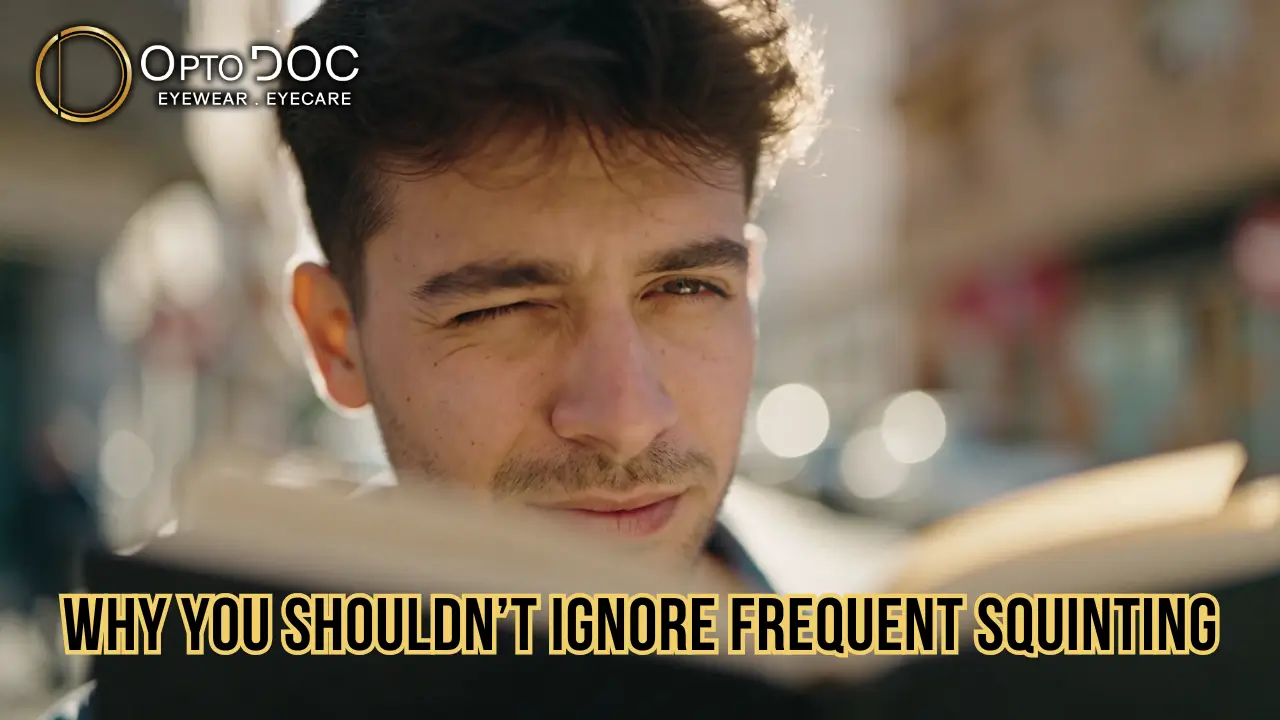
- Frequently squint to see clearly
- Move your phone or reading material closer or farther away
- Have trouble reading signs
- Get headaches after reading or screen use
- Find that your vision is blurry even when rested
- Have difficulty seeing at night
- Notice that one eye sees differently from the other
- Find yourself increasing the font size on everything
- Have difficulty switching between near and far distances
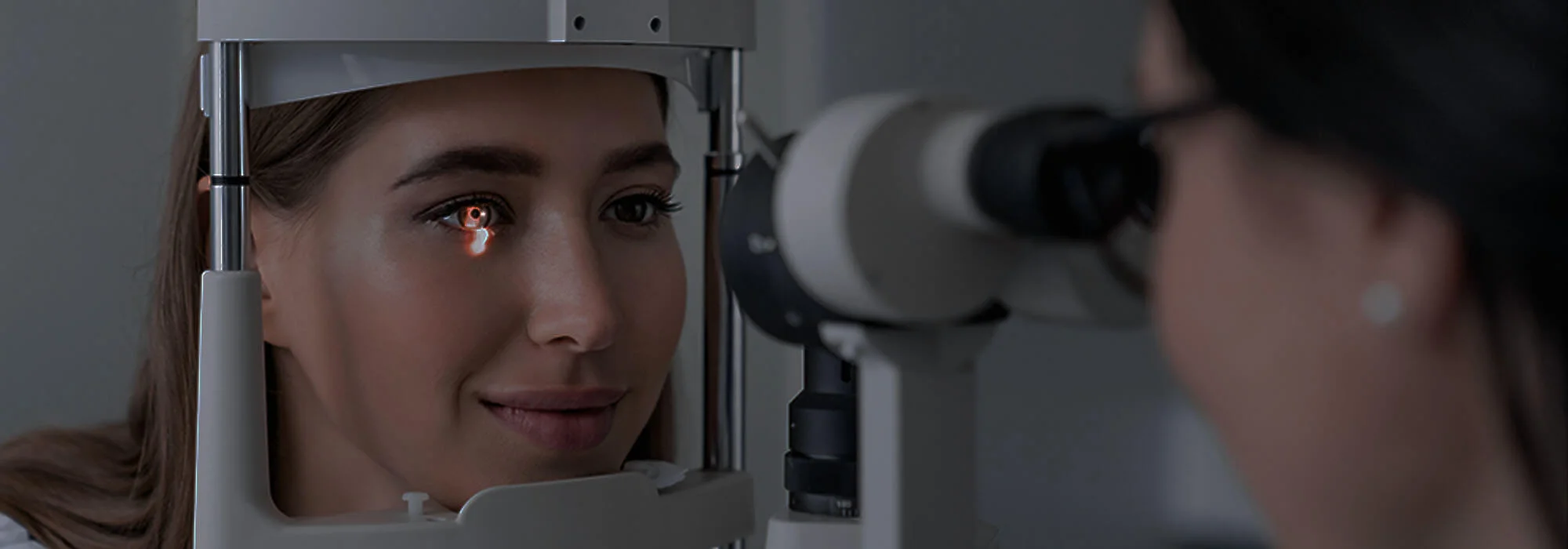
An eye examination can determine whether you have a prescription that could improve your vision and comfort.
What If My Vision Is Fine in the Morning but Blurry at Night?
This is a common pattern.
As the day progresses, your eyes may accumulate fatigue from hours of focusing.
Screen use, driving, reading, dry air and artificial lighting can all contribute.
OptoDoc has previously discussed how vision can fluctuate throughout the day and how eye fatigue and dryness can become more noticeable later in the day.
If your vision is consistently clearer in the morning and becomes blurry by evening, mention that pattern during your next eye exam.
It can provide useful information to your optometrist.
What Can You Do to Help Tired Eyes?
Give Your Eyes Breaks
If you’ve been focusing up close for a long period, look into the distance.
The 20-20-20 rule is a simple way to build regular breaks into screen-heavy days.
Blink
Conscious blinking can help maintain the tear film over the surface of your eyes.
Get Enough Rest
If you’re exhausted, your eyes may feel exhausted too.
Prioritize sleep and give your body—and your eyes—the opportunity to recover.
Reduce Screen Strain
Adjust your screen brightness, increase text size and reduce glare.
And whenever possible, take breaks away from your devices rather than simply switching from one screen to another.
Keep Your Prescription Current
If your eyes are constantly working harder than necessary to see clearly, visual fatigue may become more noticeable.
Regular eye exams can help determine whether your prescription needs to be updated.
When Should Blurry Vision Be Checked?
Don’t assume blurry vision is simply because you’re tired if it is:
- Persistent
- Becoming more frequent
- Getting progressively worse
- Noticeably different in one eye
- Accompanied by pain
- Accompanied by flashes or new floaters
- Associated with double vision
- Present even after adequate rest
Sudden or significant changes in vision should be assessed promptly.
So…Do You Need Glasses or More Sleep?
Sometimes the answer really can be both.
Your eyes need rest, just like the rest of your body. But recurring blurry vision shouldn’t automatically be blamed on tiredness.
If you’re regularly struggling to focus, experiencing headaches or noticing that your vision isn’t as clear as it used to be, an eye exam can help determine whether your eyes simply need a break—or whether they need a little more support.
At OptoDoc, we can assess your prescription, eye health and visual needs and help you understand what’s behind the changes you’re noticing.
If you’re constantly asking yourself whether you need more sleep or a new prescription, let us help you find the answer. Book your eye exam with OptoDoc today.
Book Your Eye Exam at OptoDoc
Seek urgent eye care if you develop sudden vision loss, a new curtain or shadow in your vision, or a sudden increase in floaters with flashes. Contact an eye doctor or emergency department right away. Do not wait for a routine appointment.
Learn more about eye exams at OptoDoc in Fort McMurray.
Further reading: National Eye Institute: Dry Eye.