Have you ever opened your eyes in the morning and thought, “Why is everything so blurry?”
Maybe the room looks slightly hazy when you first wake up. Maybe your phone takes a few seconds to come into focus. Or perhaps your vision seems perfectly normal after you’ve been awake for a little while, but is noticeably blurry right after getting out of bed.
In many cases, temporary blurry vision in the morning can be related to normal changes that happen while you sleep. Dryness, the tear film on the surface of your eyes, and the time it takes your eyes to adjust to light and focusing can all play a role.
But if morning blurry vision happens frequently, lasts for a long time, affects one eye more than the other, or is getting worse, it is worth having your eyes checked.
Why is My Vision Blurry When I Wake Up?
Your eyes don’t simply “turn off” while you sleep. They continue to maintain the delicate surface and structures that allow you to see clearly.
One of the simplest explanations for morning blur is dryness.
When you’re asleep, you aren’t blinking. Blinking normally helps spread tears across the surface of your eyes, keeping them smooth and comfortable. If your eyes become dry overnight, your vision may temporarily seem hazy or blurry when you first wake up.
Once you’re awake and blinking normally again, your tear film may become more evenly distributed and your vision can clear.
Dry Eyes Can Make Morning Vision Hazy
Dryness isn’t always obvious.
You might expect dry eyes to feel scratchy or uncomfortable, but dry eyes can also cause fluctuating or blurry vision.
Your tears create a smooth optical surface over the front of your eye. If that tear film becomes uneven, the quality of the image reaching your retina can temporarily change.
You may notice:
- Blurry or hazy vision
- A gritty or dry feeling
- Burning or irritation
- Watery eyes
- A feeling that you need to blink to “clear” your vision
Dry indoor air can make this more noticeable, particularly during colder months when heating systems are running.
Your Eyes Also Need Time to Adjust
There is another simple factor to consider: light .
Your eyes have to adjust when you go from a dark bedroom to a bright bathroom, window or phone screen.
Your pupils change size depending on the amount of light around you, and your visual system has to adapt to the new environment.
That doesn’t necessarily mean something is wrong.
It can simply take a little time for your eyes to transition from sleep to being fully awake and visually active.
Could Your Prescription Be Part of the Problem?
Sometimes morning blur isn’t just about sleep.
If you have an uncorrected or outdated prescription, your eyes may already be working harder to produce a clear image.
You might notice that things are difficult to focus on when you first wake up, or that you need to squint or blink repeatedly to make things clearer.
An eye exam can determine whether your prescription is still appropriate and whether there are other factors affecting your vision.
What About Sleeping in Contact Lenses?
If you wear contact lenses, morning blurry vision deserves a little more attention.
Contact lenses can contribute to dryness and discomfort, and wearing lenses overnight when they aren’t specifically prescribed for overnight wear can increase the risk of complications.
If you regularly wake up with blurry vision, discomfort or redness while wearing contact lenses, talk with your optometrist about what you’re experiencing.
When Is Morning Blurry Vision Something to Check?
Occasional blurry vision that clears relatively quickly may not be cause for concern.
However, you should make an appointment for an eye examination if:
- Your vision remains blurry after you’ve been awake for a while
- The blurriness happens frequently
- One eye is consistently blurrier than the other
- You notice a significant change in your vision
- You experience eye pain or significant redness
- You are experiencing new flashes or floaters
- Your vision is becoming progressively less clear
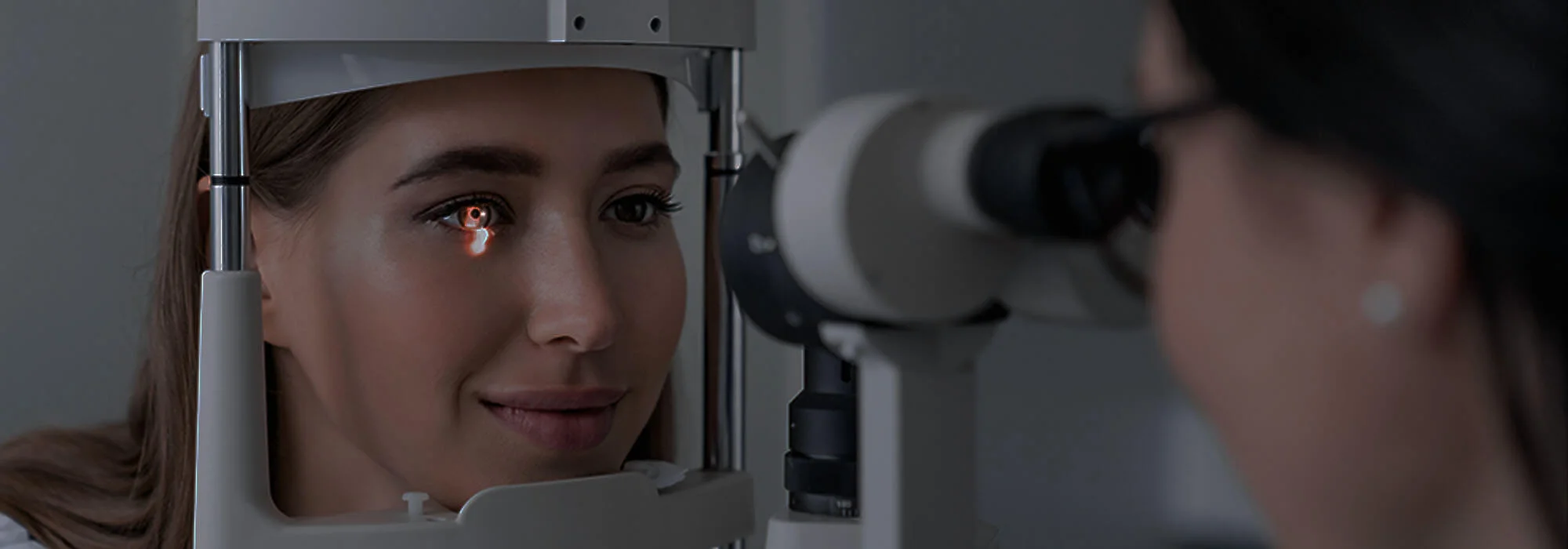
A comprehensive eye exam can help determine whether the issue is related to your prescription, dryness or another eye-health concern.
How Can You Help Your Eyes in the Morning?
A few simple habits may make mornings more comfortable.
Give Your Eyes Time to Adjust
Don’t immediately stare into a bright phone screen when you wake up. Give your eyes a moment to adjust to the light around you.
Blink Normally
Once you’re awake, regular blinking helps refresh the tear film over your eyes.
Keep Your Environment Comfortable
If your bedroom is particularly dry, especially during winter, a humidifier may help improve the humidity in the room.
Keep Up With Your Eye Exams
If blurry morning vision is becoming a regular occurrence, don’t simply assume you need more sleep or a stronger prescription. An eye exam can help determine what’s actually happening.
Clearer Mornings Start With Understanding Your Vision
Blurry vision when you first wake up can have several possible explanations. Dryness, changes to your tear film, light adaptation and your prescription can all influence how clear things look in the morning.
The important thing is to pay attention to the pattern.
If your vision quickly clears and isn’t accompanied by other symptoms, it may simply be part of your eyes adjusting to the day. But if blurry vision is persistent, frequent or changing, it deserves a closer look.
At OptoDoc, we can help determine what may be contributing to changes in your vision and recommend solutions based on your eyes, prescription and lifestyle.
If your mornings have become a little less clear, book an eye exam with OptoDoc and let’s take a closer look.
Book Your Eye Exam at OptoDoc
Seek urgent eye care if you develop sudden vision loss, a new curtain or shadow in your vision, or a sudden increase in floaters with flashes. Contact an eye doctor or emergency department right away. Do not wait for a routine appointment.
Learn more about eye exams at OptoDoc in Fort McMurray.
Further reading: National Eye Institute: Dry Eye; National Eye Institute: Floaters.