

What Is Dry Eye Syndrome?
If your eyes often feel gritty, tired, watery, or burningāespecially during our dry, windy seasonsāyou might have dry eye syndrome. It happens when your tears donāt lubricate the surface of the eye properly. At OptoDoc, we diagnose the type of dryness you have and build a plan that actually brings relief.
Dry Eye, Explained in 30 Seconds
Your tears have three layers: an oily layer (reduces evaporation), a watery layer (hydrates), and a mucin layer (helps tears spread evenly). Dry eye occurs when one or more layers are lacking in quantity or quality.
Evaporative Dry Eye
Often due to meibomian gland dysfunction (MGD)āthe oil glands in your eyelids donāt release enough oil, so tears evaporate too fast.
Aqueous-Deficient Dry Eye
Your lacrimal glands donāt produce enough of the watery layerācommon with aging, certain medications, autoimmune conditions, or dehydration.
Common Symptoms
- Burning, stinging, or gritty sensation (like sand in the eye)
- Excessive tearing (yesāwatery eyes can be a sign of dryness!)
- Redness, light sensitivity, or eye fatigueāespecially on screens
- Blurred or fluctuating vision that improves after blinking
- Discomfort with contact lenses
Why It Happens
- Environment: cold, dry air; wind; indoor heating or A/C
- Digital time: reduced blinking while using screens
- Eyelid health: clogged oil glands (blepharitis/MGD), Demodex mites
- Medications: antihistamines, some antidepressants, acne treatments, hormone therapy
- Systemic factors: autoimmune disease, thyroid conditions, diabetes, menopause
- Contact lenses & surgery: lens overwear or post-refractive surgery dryness
Proven Relief Options
At-Home Care
- Use preservative-free artificial tears 2ā6x/day
- Warm compresses & gentle lid massage for oil flow
- Lid hygiene with foam/scrubs for blepharitis
- 20ā20ā20 rule for screen breaks + intentional blinking
- Humidifier in home/office; hydrate well
- Omega-3s (if appropriate) and a balanced diet
In-Clinic & Prescription
- Diagnosis of MGD and targeted in-office gland therapy
- Prescription drops (anti-inflammatory, tear stimulants) when needed
- Punctal plugs to reduce tear drainage
- Contact lens strategy: daily disposables or material change
- Allergy management if itching/redness are triggers
How OptoDoc Finds the Cause
A one-size-fits-all drop wonāt fix every dry eye. At OptoDoc we perform a comprehensive dry eye assessment that may include:
- Tear breakup time (how fast tears evaporate)
- Staining to map surface dryness and inflammation
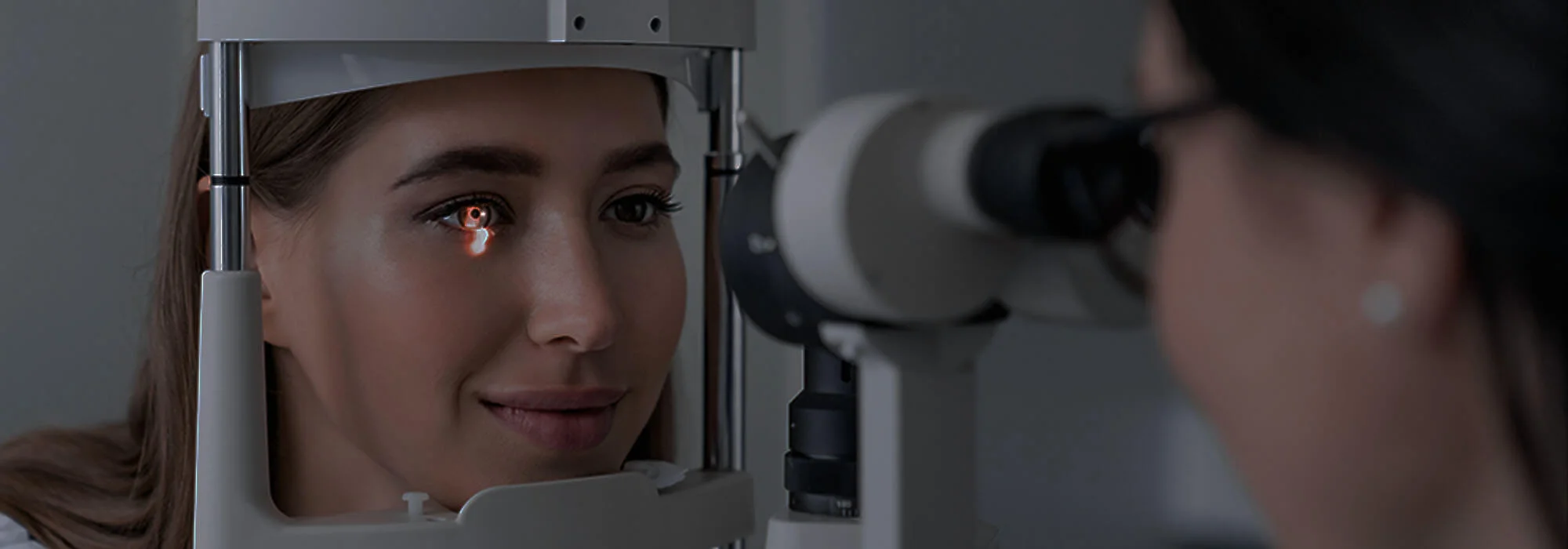
- Eyelid & meibomian gland evaluation
- Contact lens fit and material review
- Review of medications and systemic health
We then build a personalized planāoften combining home care, targeted drops, and in-office treatmentsāto improve comfort and visual clarity.
See us urgently if you have persistent pain, light sensitivity, sudden vision changes, pus-like discharge, or if symptoms do not improve with lubricants. These may indicate infection or other conditions that need prompt care.
Seasonal Tips (Fort McMurray Friendly)
- Use a humidifier when the heat is on; avoid air vents blowing at your face.
- Wear wraparound sunglasses outdoors to block wind and blowing snow.
- Limit contact lens wear on extra-dry days; carry preservative-free rewetting drops.
- Increase intentional blinking during long drives and screen sessions.
Ready for Real Relief?
You donāt have to āput up with it.ā Whether your dryness is mild or life-interrupting, OptoDoc can help you feel better and see more comfortablyāfast.
Understanding Computer Vision Syndrome and How OptoDoc Can Help
Discover how Optodoc can help you understand and manage Computer Vision Syndrome, a common issue in
The New High-Tech Way of Taking Ultimate Measurements for Patients
Welcome to the future of eyewear technology! The IR Ruler 2 is revolutionizing the way we take measu
Fashion Trends in Eyewear Find Your Perfect Frames at OptoDoc
At OptoDoc, we carry a wide range of designer eyewear that not only enhances your vision but also ad


Leave a Reply