
How Do UV Rays Affect Your Eyes? OptoDoc 2025

How Do UV Rays Affect Your Eyes?

We all know UV light can damage skin—but your eyes are just as vulnerable. UV exposure is a year-round concern in Fort McMurray: summer sun, winter ā€œsnow glare,ā€ and even bright overcast days all add up.

Here’s what UV light can do to your eyes, and how OptoDoc helps you stay protected.

UVA vs. UVB: What’s the Difference?

  • UVA penetrates deeper and contributes to long-term aging changes inside the eye.
  • UVB is more energetic and linked to surface damage and inflammation.

Eye Conditions Linked to UV Exposure

Photokeratitis (ā€œSunburned Eyesā€)

A painful, temporary burn of the cornea—common after high-glare days on water or snow. Symptoms include light sensitivity, tearing, and gritty pain.

Pinguecula & Pterygium

UV can cause yellowish bumps or fleshy growths on the white of the eye, especially with wind and dust. They may irritate or distort vision as they grow.

Cataracts

Long-term UV exposure is a major risk factor for lens clouding, which blurs vision and increases glare sensitivity over time.

Retinal & Macular Changes

Chronic UV and high-energy visible light contribute to cumulative stress on the retina and macula, impacting central vision over the long term.

Eyelid & Periocular Skin Damage

The thin skin around your eyes is prone to UV-related aging and skin cancers—another reason wraparound protection matters.

Why Winter Can Be Worse Than Summer

Fresh snow can reflect the majority of UV light—intensifying exposure even on cold or cloudy days. That reflection, plus long open landscapes and bright skies, makes polarized sunglasses a winter essential for driving, skiing, skating, or time at the Snye.

Smart Ways to Protect Your Eyes

  • Choose sunglasses with 100% UVA/UVB protection. Check the labelā€”ā€œcosmetic tintā€ isn’t enough.
  • Go polarized outdoors. Polarized lenses cut harsh glare from snow, water, and wet roads for clearer, more comfortable vision.
  • Consider photochromic (transition) lenses. Great for everyday wear—clear indoors, dark outdoors with UV.
  • Wear a brimmed hat to reduce overhead light entering from above the frame.
  • Don’t forget kids. Children receive significant lifetime UV exposure—fit them with quality UV-blocking eyewear early.
  • Use UV-blocking contact lenses as a supplement (not a replacement) to sunglasses, when appropriate.

How OptoDoc Can Help

  • Personalized eyewear recommendations—polarized, transition/photochromic, and prescription sun lenses for your lifestyle.
  • Designer & performance frames with proper coverage and wrap to block stray light.
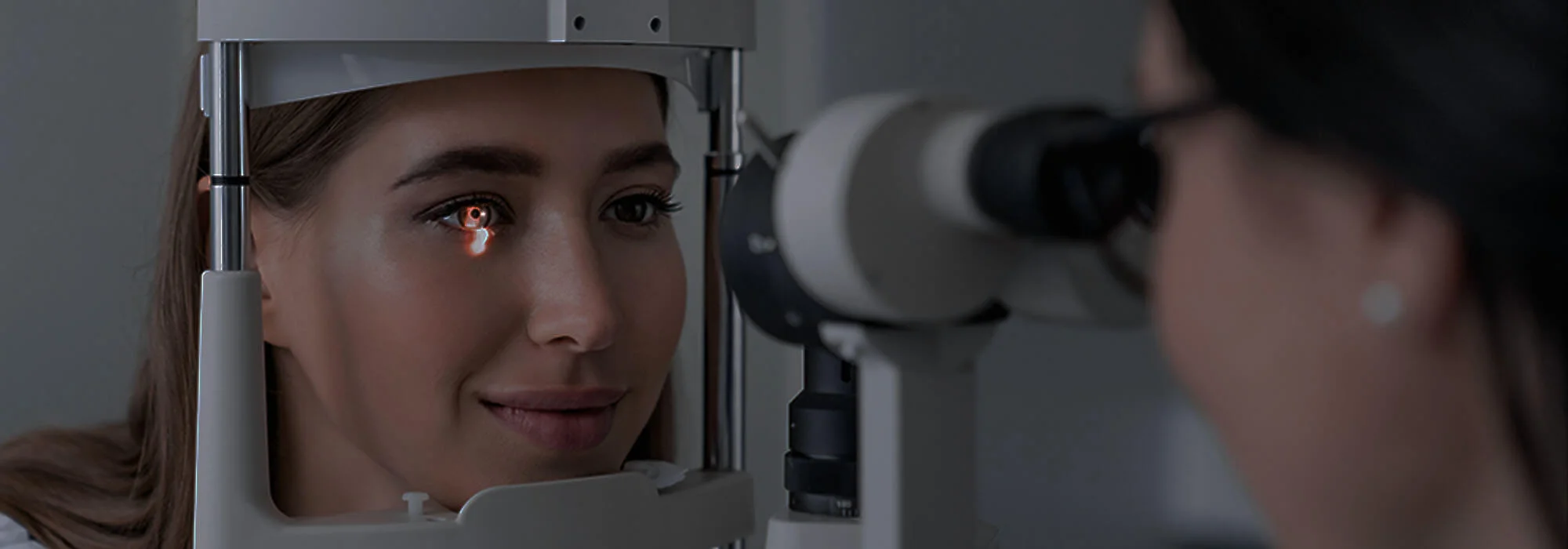
  • Comprehensive eye exams to monitor UV-related changes and overall ocular health.

Ready to protect your eyes and upgrade your vision comfort—winter and summer? Our team will match you with the right lenses so you can see clearly without squinting.

OptoDoc • 8600 Franklin Ave, Unit 501, Fort McMurray, AB • (780) 714-0099 • myeyes@optodoc.ca

Leave a Reply

Your email address will not be published. Required fields are marked *