


What Is Keratoconus?

Keratoconus is a progressive eye condition that affects the cornea—the clear, dome-shaped front surface of the eye. Instead of maintaining its normal round shape, the cornea gradually thins and bulges outward into a cone-like shape. This change causes distorted and blurred vision that cannot always be corrected with standard glasses.

Although keratoconus is relatively uncommon, early detection is extremely important. At OptoDoc, we use advanced diagnostic technology to identify corneal changes early and guide patients toward the most effective treatment options.

What Causes Keratoconus?

The exact cause of keratoconus isn’t fully understood, but it’s believed to result from a combination of genetic, environmental, and biomechanical factors.

  • Genetic predisposition (family history)
  • Frequent or aggressive eye rubbing
  • Chronic eye allergies
  • Certain connective tissue disorders
Did you know? Keratoconus often begins in the teenage years or early adulthood and may progress for 10–20 years before stabilizing.

Common Symptoms of Keratoconus

Symptoms may start subtly and worsen over time. These can include:

  • Blurred or distorted vision
  • Frequent changes in eyeglass or contact lens prescription
  • Increased sensitivity to light and glare
  • Ghosting or double vision
  • Difficulty seeing clearly at night

Because early symptoms can mimic astigmatism, keratoconus is sometimes missed without proper testing.

How Is Keratoconus Diagnosed?

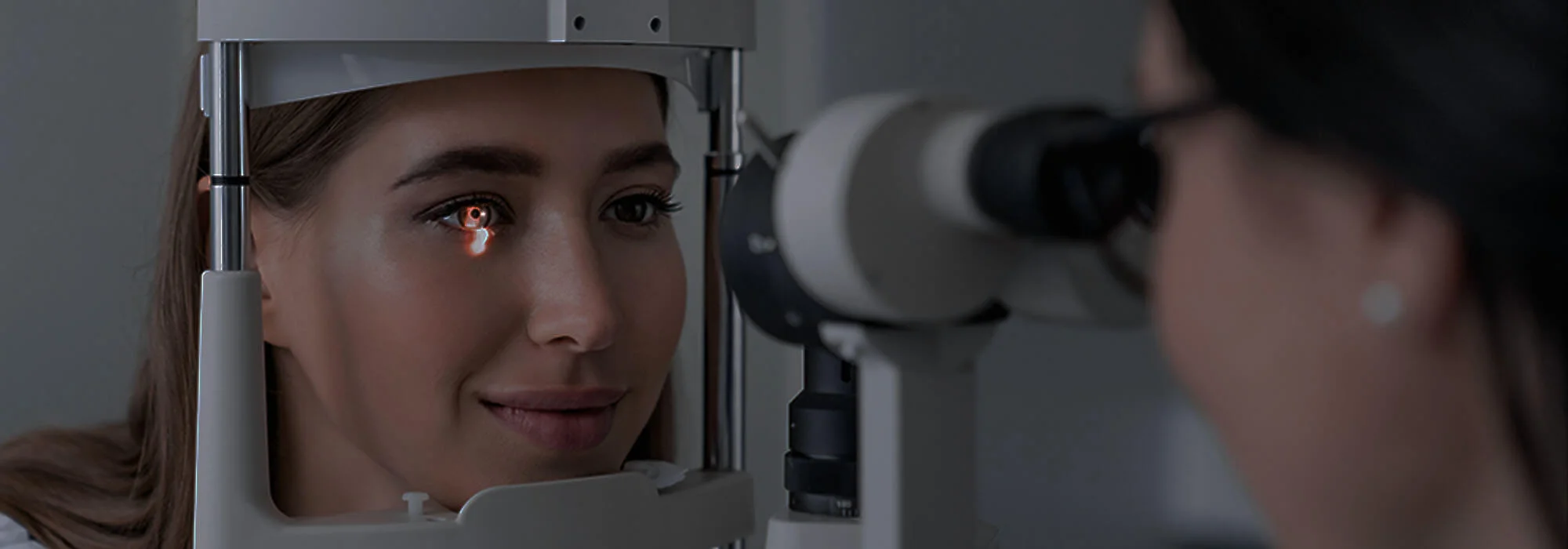
A routine eye exam may raise suspicion of keratoconus, but diagnosis requires specialized testing. At OptoDoc, we use advanced imaging technology to evaluate the shape and thickness of the cornea.

These tests allow us to:

  • Detect keratoconus in its earliest stages
  • Monitor progression over time
  • Determine the most appropriate management plan

Treatment Options for Keratoconus

There is no cure for keratoconus, but there are many effective ways to manage it—especially when caught early.

Early to Moderate Stages

  • Specialty contact lenses (rigid gas permeable, hybrid, or scleral lenses)
  • Customized glasses in very early cases

Progressive Cases

  • Corneal cross-linking to slow or stop progression
  • Referral to an ophthalmologist for advanced care when needed

Many patients with keratoconus achieve excellent vision with specialty contact lenses and ongoing monitoring.

Why Early Detection Matters

The earlier keratoconus is detected, the more options are available to preserve vision and prevent progression. Delaying diagnosis can lead to increased corneal distortion and fewer treatment choices later on.

If you or your child have rapidly changing prescriptions or unexplained vision distortion, an eye exam is essential.

How OptoDoc Can Help

At OptoDoc in Fort McMurray, we take a proactive approach to eye health. Our comprehensive eye exams and advanced imaging allow us to identify conditions like keratoconus early and guide patients through every step of management.

We work closely with trusted specialists when referrals are needed and help patients explore the best vision correction options available today.

If you’ve been struggling with unstable vision or frequent prescription changes, don’t wait—clarity starts with answers.

Leave a Reply

Your email address will not be published. Required fields are marked *